
Revolutionizing Forex Trading with AI: A Deep Dive into AI Trading Strategies
The integration of artificial intelligence in forex trading has been a game changer for traders worldwide, enabling them to make more informed decisions with speed and precision. ai trading forex minereum.com This article explores the concept of AI trading, its applications in the forex market, and the potential benefits and risks associated with using AI-driven trading strategies.
Understanding AI Trading
AI trading, or algorithmic trading, involves using computer algorithms to analyze data, execute trades, and manage investment portfolios. These algorithms leverage machine learning, data mining, and statistical analysis to identify trading opportunities that a human trader may overlook. By evaluating vast amounts of data, AI can detect patterns and trends in the financial markets, allowing for timely and potentially profitable trading actions.
The Role of AI in Forex Trading
Forex trading is one of the largest financial markets globally, with a daily trading volume exceeding $6 trillion. The use of AI in forex trading offers several advantages, including:
- Speed and Efficiency: AI algorithms can process vast amounts of data in seconds, making trading decisions faster than any human trader could.
- Data Analysis: AI can analyze multiple data sources, including historical price data and economic indicators, to identify trends and make predictions.
- Emotionless Trading: AI-driven trading eliminates emotional biases that can affect a trader’s decision-making.
- Risk Management: Advanced algorithms can monitor and manage risks effectively, helping to protect investments.
Types of AI Trading Strategies
There are several primary strategies employed by AI trading systems in the forex market:
1. Machine Learning-based Prediction Models
These models use historical price data to predict future price movements. Machine learning algorithms, such as neural networks and decision trees, can adapt and learn from new data, continuously improving their predictive accuracy.
2. High-Frequency Trading (HFT)
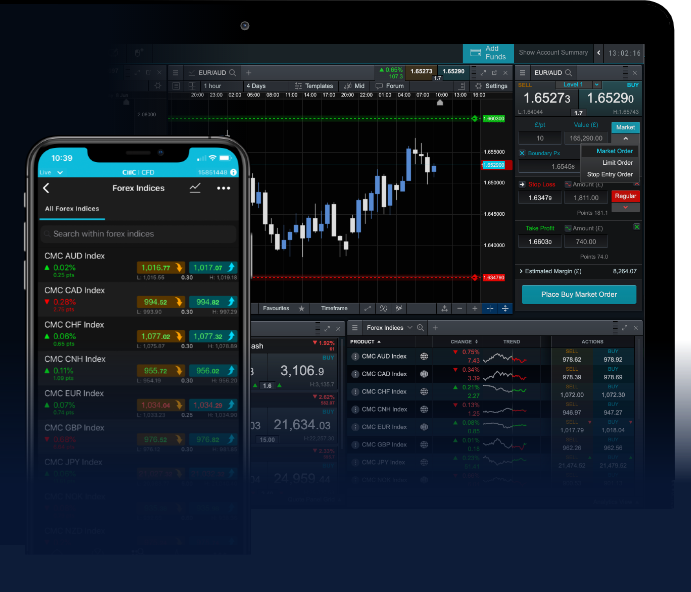
HFT involves executing a large number of orders at extremely high speeds. AI algorithms analyze market conditions and execute trades within milliseconds, capitalizing on small price movements.
3. Sentiment Analysis
AI can analyze social media, news articles, and other public sentiment data to gauge market sentiment. This information can be used to gauge potential market movements based on public perceptions.
4. Technical Analysis Automation
AI trading systems can analyze historical price patterns and technical indicators to make trading decisions based on established trading rules.
Benefits of AI Trading in Forex
The adoption of AI trading strategies offers several compelling benefits to forex traders:
- Increased Accuracy: With the ability to process vast amounts of data and learn from historical trends, AI models can potentially improve the accuracy of trading decisions.
- 24/7 Market Coverage: AI trading systems can operate around the clock, capitalizing on trading opportunities in different time zones without the need for human intervention.
- Cost Savings: Automating the trading process can reduce the costs associated with trading, including commissions and fees, compared to traditional methods.
- Adaptability: AI systems can adapt to changing market conditions more quickly than manual trading strategies.
Challenges and Risks of AI Trading
While AI trading presents many opportunities, it is not without challenges and risks:
- Technical Glitches: Software bugs or connectivity issues can prevent AI systems from executing trades properly, potentially leading to significant losses.
- Overfitting: If AI models are too closely tailored to past data, they may fail to predict future price movements accurately.
- Market Volatility: Rapid market changes can result in unexpected outcomes for AI trading systems, leading to losses.
- Regulatory Concerns: The use of AI in trading introduces questions about transparency, market manipulation, and ethical considerations.
Future of AI Trading in Forex
The future of AI trading in the forex market appears promising. As technology continues to advance, we can expect to see even more sophisticated algorithms that leverage big data analytics, advanced statistical models, and enhanced machine learning techniques. Additionally, the integration of AI with emerging technologies such as blockchain may create new opportunities for secure and transparent trading systems.
Conclusion
AI trading presents a revolutionary transformation in the forex market, offering traders powerful tools to enhance their trading strategies. However, it is crucial for traders to be aware of the associated risks and challenges. As technology evolves, staying informed and educating oneself about AI trading will be beneficial for anyone looking to leverage this innovative approach in their forex trading endeavors.